How to Cycle a Freshwater Aquarium Without Sacrificing Fish
A test-driven explanation of freshwater aquarium cycling, what ammonia and nitrite results mean, and how to decide when a new tank is actually ready for livestock.
By GuideMyTank Editorial Team · Published · Updated
Cycling a freshwater aquarium means establishing a working biological filter before asking fish to live with the waste they produce. Fish release ammonia through normal metabolism, and decomposing food and organic debris add more. In an established system, microorganisms convert ammonia to nitrite and then convert nitrite to the less toxic nitrate that aquarists manage with water changes, plants, and sensible feeding. A new filter does not perform that job simply because water has circulated through it for several days. The only reliable way to judge progress is to provide an ammonia source and follow the results with water tests.
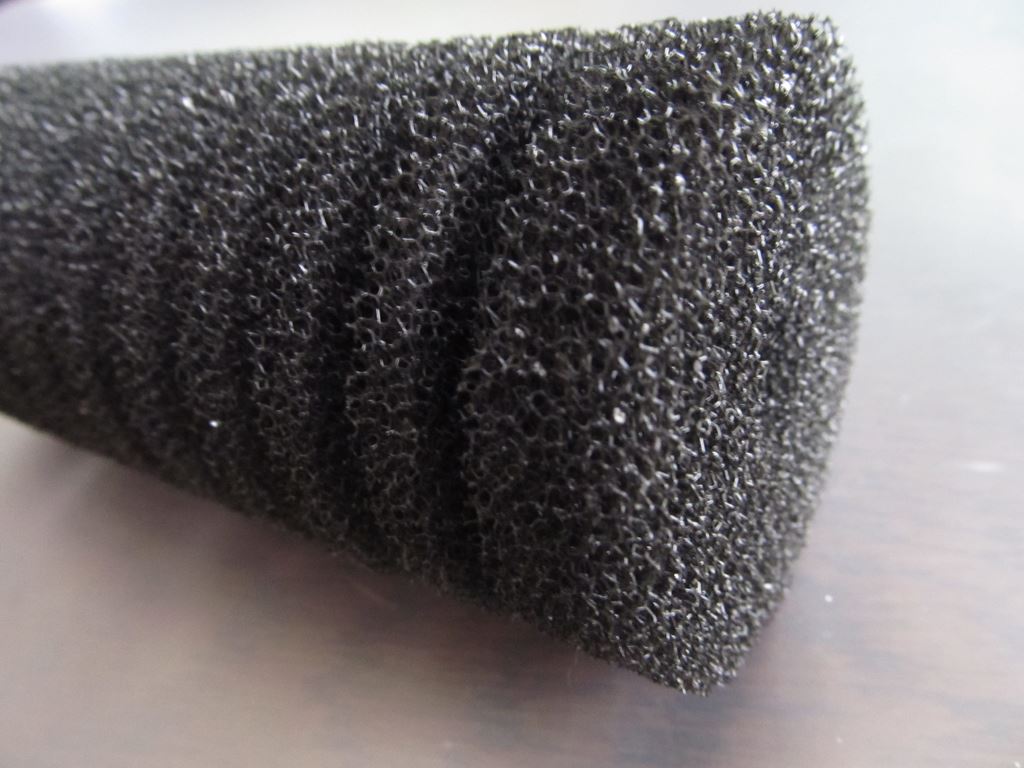
Image: Ofkun / Wikimedia Commons · CC BY-SA 4.0
Why fishless cycling is the safer default
A fish-in cycle exposes livestock to the very compounds the aquarist is trying to control. Even when fish survive, survival is not proof that the process was harmless. Fishless cycling separates filter preparation from animal welfare: the tank, heater, and filter can run while an ammonia source feeds the developing biofilter, but no fish is present during the unstable period. The Merck Veterinary Manual notes that new-tank syndrome commonly appears during the first six weeks and that a tropical biofilter may take as long as eight weeks to establish. Those figures are context, not a countdown. Temperature, alkalinity, inoculation, surface area, and maintenance all affect the pace, so testing matters more than a calendar date.
Equipment and tests to have before starting
- The aquarium, filter, appropriate heater, thermometer, and dechlorinator
- A dependable ammonia source intended for fishless cycling or a measured alternative
- Tests for ammonia, nitrite, nitrate, and pH
- A notebook or spreadsheet for dates, doses, and test results
- A plan for the adult livestock rather than only the first fish purchase
Use the filter media and equipment that will remain on the aquarium. Chlorine or chloramine must be treated because disinfected tap water can harm both livestock and the organisms being cultivated in the filter. Maintain the temperature and pH appropriate for the future stocking plan rather than cycling under one set of conditions and radically changing them at the end. Never mix cleaners, medications, or household ammonia products containing fragrances or surfactants into the aquarium.
A practical fishless-cycling sequence
- Set up the complete aquarium, treat the water, start the filter, and confirm stable temperature.
- Add the chosen ammonia source conservatively and record the measured result instead of relying only on the amount poured.
- Test ammonia and nitrite regularly. Early in the process ammonia remains detectable; later, nitrite commonly rises as ammonia begins to fall.
- Continue supplying a controlled ammonia source so the developing biofilter is not starved, but do not keep adding blindly when concentrations are already high.
- Track nitrate as supporting evidence while remembering that tap water, plants, and water changes can affect its reading.
- When the system can process a measured ammonia input without leaving detectable ammonia or nitrite by the next test interval, perform the appropriate water change and reconfirm the result before stocking.
- Add livestock according to the planned biological load rather than filling every intended space on the first day.
How to read the three nitrogen tests
| Result | What it suggests | What to do |
|---|---|---|
| Ammonia present | Waste is entering faster than the current biofilter can process it | Do not add fish; continue monitoring and correct any excessive dose |
| Nitrite present | The first conversion is occurring, but the second stage is not keeping up | Wait and continue controlled cycling |
| Nitrate rising | Nitrogen is reaching the later stage of the cycle | Use it as supporting evidence, not the only completion test |
| Ammonia and nitrite both clear after a measured input | The biofilter is processing the test load | Confirm the result, reduce nitrate as needed, then stock gradually |
Common reasons a cycle appears stalled
An apparent stall is often a measurement or process problem. A test may be expired or read under poor lighting. Untreated disinfectant may be suppressing microorganisms. Very low alkalinity can allow pH to fall far enough to slow biofiltration. An oversized ammonia dose can create conditions unlike the future aquarium. Replacing all filter media discards much of the colonized surface, while rinsing it under chlorinated tap water can damage it. Diagnose the actual variable before buying a bottled remedy or repeatedly restarting the tank.
A nitrate reading by itself does not prove an aquarium is ready. The completion check is whether the operating aquarium can repeatedly process the planned test load without leaving detectable ammonia or nitrite. Follow the directions and limitations of the specific test kit you use.
The first month after stocking
Cycling creates capacity for a starting load; it does not make the aquarium maintenance-free. Feed lightly enough that food is eaten, watch every fish for respiratory distress or unusual inactivity, and continue testing after stocking. A dead animal, hidden food, a power outage, medication, or a sudden increase in livestock can push waste production beyond the established capacity. Preserve filter media during cleaning, remove debris, and use water changes to control dissolved waste. Topping off evaporated water replaces water but does not remove nitrate or accumulated minerals.
When is the aquarium ready?
The aquarium is ready for its initial planned stocking only when the equipment is stable, the future water conditions are appropriate, and repeated testing shows that the biological filter processes the test input without detectable ammonia or nitrite afterward. The livestock plan must still fit the tank’s dimensions, adult sizes, social groups, activity levels, and compatibility. Cycling answers whether the filter can process nitrogenous waste; it does not answer whether two fish can safely share space.
Frequently Asked Questions
How many days does aquarium cycling take?
There is no honest universal day count. A new tropical biofilter may take several weeks and sometimes longer. Test results, not elapsed time, determine readiness.
Can established filter media speed up cycling?
Healthy mature media can introduce an active microbial community, but it can also transfer pathogens or pests if its source tank is not healthy. Continue testing even when seeded media is used.
Does cloudy water mean the cycle is complete?
No. Cloudiness can have several causes and is not a substitute for ammonia, nitrite, nitrate, pH, and equipment checks.
Sources and references
- Management of Aquarium Fish, Merck Veterinary Manual
- Ammonia, University of Florida IFAS Extension
- The Ornamental Fish Trade: An Introduction with Perspectives for Responsible Aquarium Fish Ownership, University of Florida IFAS Extension
- Fish: Healthy Pets, Healthy People, Centers for Disease Control and Prevention
Relevant Species
Related Care Guides
Betta Splendens Care Guide
A practical, evidence-informed guide to housing, feeding, behavior, tank mates, health, and long-term care for Betta splendens.
Celestial Pearl Danio Care Guide
The Celestial Pearl Danio (Danio margaritatus) is a small, colorful freshwater fish known for its pearl-like spots, vivid red-orange fins, and peaceful nature. Native to shallow, heavily vegetated waters in Myanmar, these active nano fish thrive in planted aquariums and do best when kept in groups. Their striking appearance and manageable care requirements make them a popular choice for both beginner and experienced aquarists.
Guppy Care Guide
The Common Guppy (Poecilia reticulata) is a small, colorful freshwater fish known for its bright colors, active personality, and ease of care. Native to northeastern South America and parts of the Caribbean, guppies are highly adaptable and have become one of the most popular aquarium fish worldwide. They are peaceful, social livebearers that thrive in groups and work well in many community aquariums. Their hardiness and relatively simple care requirements make them an excellent choice for beginner aquarists.
Compatibility Research
Review these pair reports before planning a shared aquarium.
Betta and Celestial Pearl Danio Compatibility
Research whether Betta and Celestial Pearl Danio can share an aquarium.
Betta and Guppy Compatibility
Research whether Betta and Guppy can share an aquarium.
Guppy and Celestial Pearl Danio Compatibility
Research whether Guppy and Celestial Pearl Danio can share an aquarium.
Related Articles
Betta vs Guppy: Care, Tank Setup, and Compatibility Compared
A detailed comparison of Betta splendens and guppies covering adult size, social structure, water overlap, aquarium setup, feeding, reproduction, behavior, and the risks of keeping them together.
How to Plan a Freshwater Community Tank Before Buying Fish
A practical stocking workflow that starts with adult size, social groups, water conditions, swimming zones, behavior, filtration, and a realistic maintenance plan.