A Practical Quarantine Routine for New Freshwater Fish
How to prepare and operate a simple quarantine aquarium, observe new fish, prevent cross-contamination, and decide when an animal is ready for the display tank.
By GuideMyTank Editorial Team · Published · Updated
Quarantine is a period of separation and observation before a new fish joins an established aquarium. Its purpose is not to prove that an animal carries nothing; no home routine can detect every pathogen. It creates time to notice external parasites, abnormal behavior, feeding problems, injuries, and water-quality issues without immediately exposing the display tank. It also gives a stressed arrival a simpler environment where the keeper can observe eating and waste closely.
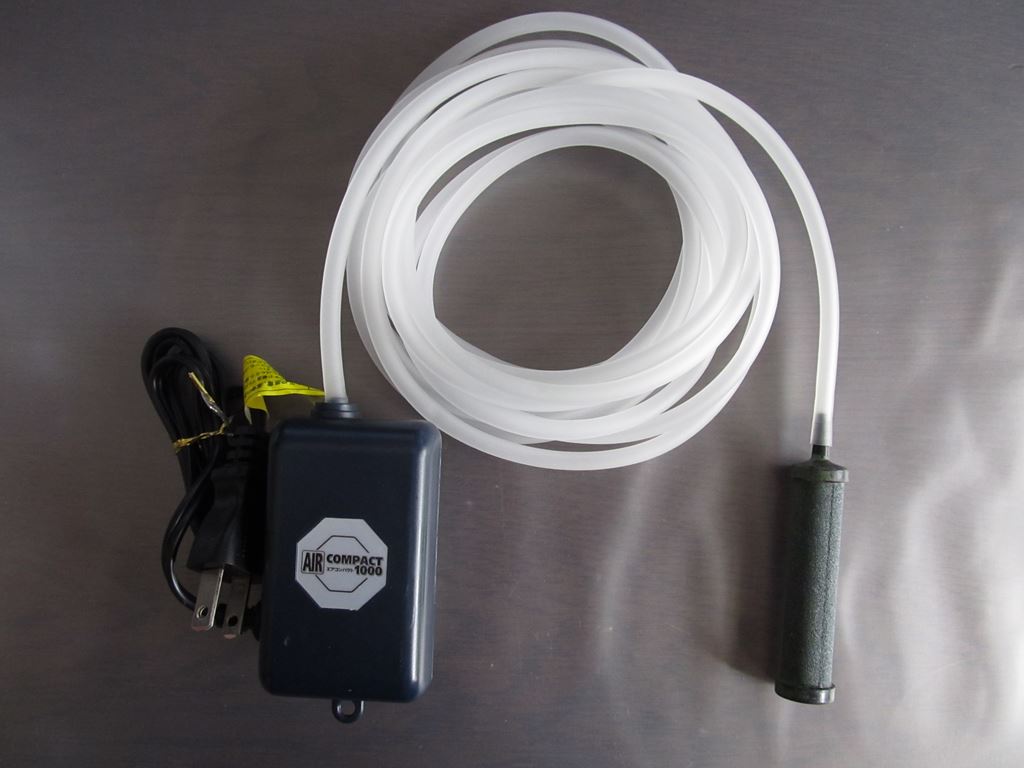
Image: Ofkun / Wikimedia Commons · CC BY-SA 4.0
What a quarantine tank needs
- A covered aquarium sized for the species and number being quarantined
- A cycled filter or healthy mature sponge filter reserved for quarantine use
- Appropriate heat, aeration, thermometer, and treated water
- Simple shelters that can be cleaned and that still allow observation
- Dedicated net, siphon, bucket, and other wet equipment
- Tests for ammonia, nitrite, nitrate, and the relevant source-water parameters
- A written log for arrival, behavior, feeding, test results, and any treatment
Bare-bottom tanks are often practical because waste and uneaten food are visible, but the setup still has to meet the animal’s needs. A frightened fish may require opaque sides or simple cover. A bottom-dwelling species may need an appropriate temporary surface. Strong swimmers need enough length, and labyrinth fish still need safe surface access. Quarantine should simplify care, not become an excuse for cramped or unsuitable housing.
Cycle the quarantine filter before the fish arrives
A new container with an uncycled filter can create new-tank syndrome while the keeper is watching for disease. One practical approach is to keep an extra sponge filter running in a known healthy aquarium, then move it to the quarantine tank when needed. Do not seed from an aquarium with unexplained illness, and do not move the used quarantine filter back into the display system without an appropriate disinfection and reset process. Continue testing after arrival because transport stress, feeding, medication, and the size of the incoming group can exceed the filter’s capacity.
Receiving and acclimating the fish
Prepare the quarantine tank before bringing livestock home. Reduce unnecessary light and verify temperature and equipment. Inspect the transport bag for dead animals, severe distress, leaks, or fouled water. Acclimation should address meaningful temperature and water differences without leaving fish in a small shipping volume longer than necessary. Methods vary with the shipment and species, so follow qualified supplier or veterinary guidance rather than treating one internet ritual as universal. Do not pour store water into the display aquarium.
A daily observation routine
| Check | What to record | Why it matters |
|---|---|---|
| Water | Temperature, ammonia, nitrite, and any relevant chemistry | Water-quality injury can resemble infectious disease |
| Respiration | Rate, surface gasping, one-sided gill movement | Changes may signal stress, poor oxygen, gill disease, or toxins |
| Body and fins | Spots, excess mucus, ulcers, swelling, torn fins, color change | A dated description reveals progression |
| Behavior | Balance, swimming, hiding, flashing, isolation, aggression | Departure from the fish’s normal pattern is informative |
| Feeding | Food offered, amount eaten, who did not eat | Appetite and access are useful health indicators |
| Waste | Appearance and frequency where visible | Supports the complete observation record |
Observe before disturbing the tank. Fish often change behavior when a person approaches, lights switch on, or food appears. Record the conditions rather than writing only ‘looks fine.’ A dated log helps distinguish a one-time stress response from a trend and gives a veterinarian more useful information if professional help is needed.
Prevent cross-contamination
Quarantine fails when water and equipment move freely between systems. Use dedicated nets, siphons, buckets, towels, and test accessories. Work on the established display aquarium before handling quarantine, then wash hands and clean any shared work area. Avoid splashing water, and do not share filter media during the observation period. Merck’s veterinary guidance recommends that quarantined animals have designated equipment and be handled after other animals for the day. The same direction of work is useful in a home fish room.
Do not medicate automatically
Medication is not a substitute for diagnosis, clean water, or observation. Products have different target organisms, safety margins, interactions, and effects on biological filtration. An unnecessary treatment can stress the fish, obscure symptoms, or expose pathogens to an ineffective dose. If a fish becomes ill, first verify water quality and review its history and signs. Seek an aquatic veterinarian or qualified fish-health professional when disease is severe, spreading, unexplained, or not responding to appropriate husbandry.
Never move a sick fish, quarantine water, wet equipment, or unverified filter media into the display aquarium to solve a quarantine problem. Separation is the main protection the process provides.
How long should quarantine last?
The Merck Veterinary Manual describes 30 days as a minimum quarantine period for pet fish and notes that longer periods may be needed. Count only a stable observation period, not days spent managing unexplained illness or toxic water. The appropriate duration can depend on species, source, temperature, symptoms, diagnostic findings, and exposure history. If treatment is required, the post-treatment observation plan should be based on the problem and professional guidance rather than the original purchase date.
Transfer checklist
- The planned observation period is complete and documented.
- The fish is behaving normally for its species and eating reliably.
- No unexplained lesions, respiratory signs, abnormal waste, or progressive symptoms remain.
- Ammonia and nitrite have stayed controlled and the fish has not merely endured poor water.
- The display tank matches the species’ temperature, chemistry, group, space, and compatibility needs.
- A clean transfer tool and acclimation plan are ready; quarantine water will not enter the display.
After quarantine
Observe the display tank closely after transfer because social stress and a new environment can reveal problems not visible in isolation. Clean and disinfect the quarantine setup using a method suitable for its materials, then store equipment dry or reset it for the next planned use. Preserve a separate, healthy source of cycled media rather than returning potentially exposed media to the display tank. Quarantine works best as a repeatable routine, not an emergency container assembled after symptoms appear.
Frequently Asked Questions
Can a bucket serve as a quarantine tank?
A temporary container may help during transport or an emergency, but routine quarantine needs adequate volume, filtration, heat where required, oxygenation, cover, and observation access for the species.
Can quarantine guarantee a fish is disease-free?
No. It reduces risk and improves observation, but some infections can be inapparent or cannot be detected with nonlethal home methods.
Can several new fish quarantine together?
They can share a suitable quarantine system when their requirements and source history support it, but the tank must accommodate the complete group and one exposed fish can expose the others.
Sources and references
- Management of Aquarium Fish, Merck Veterinary Manual
- The Ornamental Fish Trade: An Introduction with Perspectives for Responsible Aquarium Fish Ownership, University of Florida IFAS Extension
- Fish: Healthy Pets, Healthy People, Centers for Disease Control and Prevention
Relevant Species
Related Care Guides
Betta Splendens Care Guide
A practical, evidence-informed guide to housing, feeding, behavior, tank mates, health, and long-term care for Betta splendens.
Bristlenose Pleco Care Guide
The Bristlenose Pleco (Ancistrus spp.), also known as the Bushynose Pleco or Bristlenose Catfish, is a peaceful freshwater catfish recognized by the distinctive bristles that develop around its snout. Smaller than many other plecos, they are popular community fish that spend much of their time grazing on surfaces and sheltering among driftwood, rocks, and caves. Bristlenose Plecos come in numerous species and aquarium-bred varieties, including Albino, Super Red, Calico, Longfin, and Black-Eyed Yellow forms. More specialized varieties include fish identified by L-numbers, such as the sought-after L183 Starlight Bristlenose (Ancistrus dolichopterus), along with L181, L182, and L184 Ancistrus. L-numbers are identification codes used in the aquarium hobby for loricariid catfish, particularly when a fish entered the trade before receiving a confirmed scientific name. An L-number therefore identifies a particular form or species and isn't simply a color or pattern designation. One thing I would not do in this guide is call the common Bristlenose itself “L144.” The original L144 designation referred to a particular wild form, while many yellow Bristlenose sold as “L144” today are actually captive-bred color strains.
Guppy Care Guide
The Common Guppy (Poecilia reticulata) is a small, colorful freshwater fish known for its bright colors, active personality, and ease of care. Native to northeastern South America and parts of the Caribbean, guppies are highly adaptable and have become one of the most popular aquarium fish worldwide. They are peaceful, social livebearers that thrive in groups and work well in many community aquariums. Their hardiness and relatively simple care requirements make them an excellent choice for beginner aquarists.
Compatibility Research
Review these pair reports before planning a shared aquarium.
Betta and Bristlenose Pleco Compatibility
Research whether Betta and Bristlenose Pleco can share an aquarium.
Betta and Guppy Compatibility
Research whether Betta and Guppy can share an aquarium.
Guppy and Bristlenose Pleco Compatibility
Research whether Guppy and Bristlenose Pleco can share an aquarium.
Related Articles
How to Plan a Freshwater Community Tank Before Buying Fish
A practical stocking workflow that starts with adult size, social groups, water conditions, swimming zones, behavior, filtration, and a realistic maintenance plan.
Most Popular Freshwater Aquarium Fish in 2026
A practical look at ten of 2026's most popular freshwater aquarium fish, why aquarists choose them, and the care requirements beginners should understand before buying.